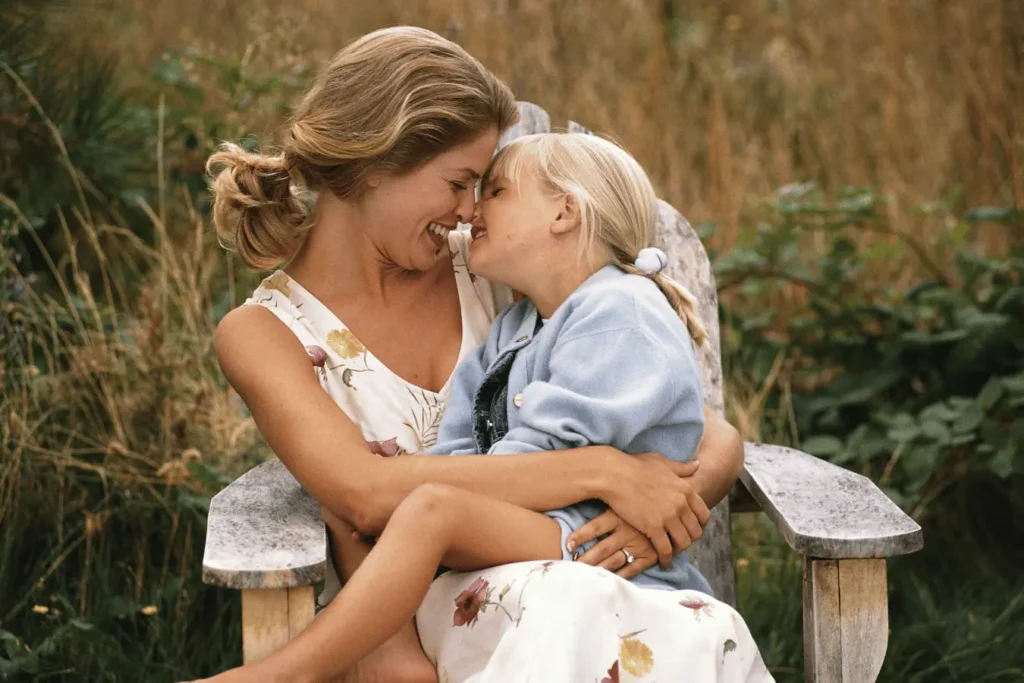
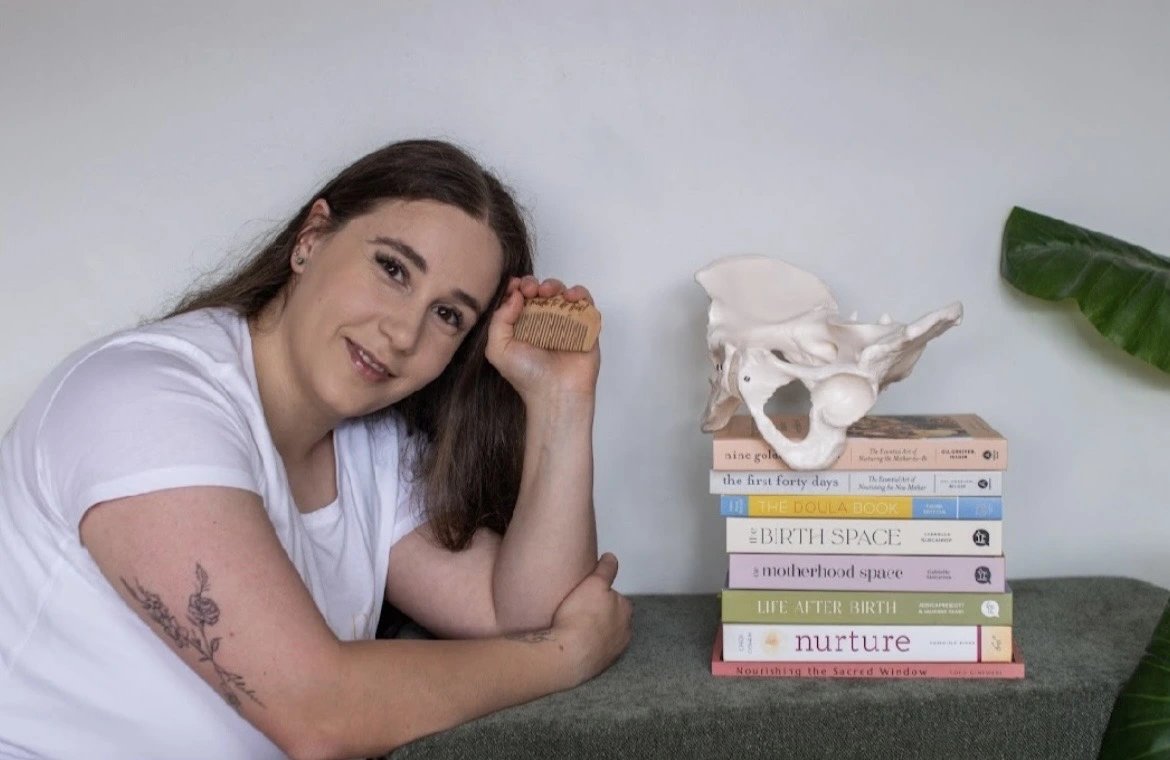
“Gaia, the primordial Mother Earth in Greek mythology, deeply inspires my work as a doula and is the inspiration behind my business name, Gaia Nourishment, honouring both the nurturing energy of the goddess, mother, and my own Greek roots.”
Nourishment for Body and Soul
Q. How can mothers intuitively tune into their body’s nutritional needs during each trimester, and what are some Greek traditions that support this connection?
We’ve become so used to looking outside ourselves for answers that we sometimes forget our bodies are incredible.
During pregnancy, it’s so important for mothers to slow down and really listen. Your body’s needs are constantly changing, so the way you nourish yourself in the first trimester won’t necessarily be the same in the third. It’s less about following “food rules” and more about asking yourself, “What feels deeply nourishing today?” There is wisdom behind supporting the body with foods that feel grounding and digestible.
This is also where cravings come into play as well! Instead of reading the craving as the food itself, take a look at what is actually in the food; your body is craving a nutritional requirement. An example of this can be craving red meat; might prompt you to explore whether you’re needing more iron or protein.
With each trimester, comes new changes so this is an area that is important to really tune into what is happening and how to nourish yourself through each change. In your 1st trimester, your body is completely changing to support this new life you are growing, so vitamin B, vitamin B9 and zinc are just some examples of nutrients that your body is in need of. The 2nd trimester is the time of the greatest blood volume expansion making iron a key nutrient, as well as calcium for the development of babies skeletal system. By the 3rd trimester, babies nutritional needs reach its peak, so if mother isn’t nourishing herself here, baby is going to feed into the mother’s nutrient stores. Omega 3’s and choline are important here as they play a significant role in baby’s brain development.
Growing up around Greek traditions, I see so much overlap. The Mediterranean way of eating has always centred around simple, whole foods. These aren’t “superfoods”; they’re everyday foods that have nourished generations of mothers. Home cooked, slow cooked, warm, full of nutrients of nature.
In the Greek tradition, there’s this understanding that a mother deserves to be nourished, looked after and encouraged to rest. That doesn’t stop once the baby is born. In fact, I think postpartum is when that nurturing becomes even more important. I truly believe that nourishment is one of the greatest gifts we can offer ourselves during pregnancy and beyond.
Q. Nourishment is often seen as just physical—how do you incorporate emotional and spiritual nourishment into your approach for mothers and birth workers?
I see nourishment as much more than physical. That is why I am furthering my studies into Ayurveda. Ayurvedic wisdom believes true nourishment supports the body, mind, heart, and spirit because all are deeply connected. Birth is a sacred rite of passage, a transformation where a woman is not just giving birth to a baby, but also to herself as a mother. She changes too. I went through this myself. Emotional safety, feeling seen, rest, loving touch, presence, and connection are all forms of nourishment that help a mother feel held through this transition. When we honour birth as more than just a physical journey that stops right after baby is born, not just the physical event of birthing itself, we create space for a much deeper healing within mother.
Mindfulness is something I highly recommend as a source of nourishment for mothers. I know this because it has been an important part of my own journey. After the birth of my second baby, I turned to yoga and meditation to reconnect with myself. Over time, I realised the importance nourishment in many forms; meditation, journaling, gentle movement, time in nature, rest, or simply creating moments of stillness to connect within. These practices have supported me both personally and as a mother. Finding something that resonates with you as a form of nourishment is important through this journey.
Q. In Greek culture, food is deeply tied to love and care. How can mothers and birth workers use meal preparation and sharing as a ritual of self-care and community support?
In Greek culture, food is one of the greatest expressions of love and care. It’s a type of Love Language. Combined with Ayurvedic postpartum wisdom, it reminds us that new mothers aren’t meant to do it all alone. They say “it takes a village” and this is pure truth. A warm, nourishing meal shared by family, friends, or a birth worker is more than food, it’s a way of saying, ‘we’re here to hold you too’ and ‘you are not alone’. Through the raw and early days postpartum, it’s so easy for mother to forget about herself. This is where a doula steps in. To hold the mother while she holds her baby.
Movement as Medicine
Q. What movements do you recommend for mothers during pregnancy and postpartum to build strength, alignment, connection and confidence? In Greek tradition, dance is often part of celebrations, how does this influence your movement philosophy.
Greek dance is always part of celebrations, family gatherings, and connection. Growing up Greek meant you are around Greek music and dancing all the time. It taught me that movement isn’t just exercise, it’s something to be enjoyed and shared. I bring that philosophy into my work as a doula and Pilates instructor. During pregnancy, the evidence supports continuing the movement your body already knows and enjoys, whether that’s walking, swimming, Pilates, Greek dancing, or strength training, rather than taking up something completely new. Movement is always encouraged. Postpartum, I encourage mothers to reconnect gently with their bodies by rebuilding their core and pelvic floor. Simple movements like pelvic curls are a beautiful place to start.
Q. What role does breathwork play in your movement practices, and how can it support mothers emotionally and physically during labor and recovery?
Breathwork is the bridge between body, mind, and spirit.
As a Pilates instructor, I weave breathwork into movement practices because Pilates uses the breath to support alignment, core connection, and mindful movement. Connecting breath with movement helps mothers build body awareness. Each inhale and exhale is used intentionally to support movement.
As a doula, we guide mothers in using different breathing techniques throughout labour; an example of this is surge breathing as contractions intensify. By focusing on the rhythm of inhaling slowly through your nose into your belly and exhaling longer through a soft mouth, it helps you ride through the wave of the contraction instead of fighting it.
In postpartum recovery, breathwork continues to be used as a powerful mindfulness practice, helping mothers reconnect with themselves, support relaxation, and gently rebuild their core connection. Through my meditation training, I also incorporate breath awareness as a tool for presence, and self-care during the transition into motherhood.
Q. For birth workers, how can mindful movement help prevent burnout and keep them grounded in their own bodies while supporting others?
Movement is a sacred practice, a way to come home to ourselves. I believe mindful movement is a powerful way for birth workers to return to themselves. Pilates encourages body awareness, strength, and alignment, helping us release tension and reconnect with our own bodies.
From an Ayurvedic perspective, movement, breath, and moments of stillness help calm the nervous system. When we nurture ourselves through mindful practices like these, we create the grounding and presence needed to support others with an open heart. This is where creating a mindful practice as a birth worker becomes crucial to come home to ourselves and hold space for ourselves so we can be there for mothers!
Greek Feminine Wisdom
Q. Are there any Greek customs or rituals around pregnancy, birth, or postpartum that you find particularly meaningful and would recommend to modern mothers?
In both Greek traditions and Ayurvedic wisdom, they hold a deep reverence for motherhood, birth, and the postpartum period. The first 40 days postpartum in both traditions are seen as crucial and set you up for your whole motherhood. They emphasise a time of “lying-in” (spending 40 days in her home) allowing the mother time to rest, receive support, and be cared for after birth. This aligns beautifully with holistic postpartum healing, where nourishment, warmth, community, and slowing down help restore the mother’s body, energy, and spirit! I also find this tradition deeply meaningful, reminding us that birth is not just a physical experience, but a sacred transition and mother and baby need this time together to bond and nurture their relationship.
Q. In Greek mythology, Gaia is the primordial mother. How does this archetype inspire your work, and what lessons can mothers today draw from her energy?
Gaia, the primordial Mother Earth in Greek mythology, deeply inspires my work as a doula and is the inspiration behind my business name, Gaia Nourishment, honouring both the nurturing energy of the goddess, mother, and my own Greek roots.
In Greek mythology, Gaia was the Earth goddess, one of the most important of divinities. Gaia was the Greek goddess of Earth, mother of all life and was seen as an all-nourishing and all-producing mother. Gaia represents creation, strength, wisdom, and our connection to the natural rhythms of life. I carry this archetype into my work by supporting mothers to trust their bodies, honour their intuition, and embrace birth as a sacred transformation! Her energy reminds us that motherhood is rooted in nourishment, grounding, and the powerful wisdom we hold within!
Q. What are some ways birth workers can incorporate Greek feminine wisdom (like the concept of “philoxenia” or sacred hospitality) into their practice to better support mothers?
I draw inspiration from philoxenia (the Greek concept of sacred hospitality), warmth, and welcoming others with an open heart. To my practice, this means creating a safe, nurturing space where mothers feel held, respected, and deeply supported.
This connects with the Ayurvedic approach to motherhood, which honours nourishment, rest, and community during the transformative journey of motherhood. By offering presence, gentle care, grounding practices, and holistic support, birth workers can help mothers feel at home in their bodies and connected to their own inner wisdom. I feel mothers are often the ones who are forgotten after the birth of the baby. Sacred hospitality reminds us that the mother must always be held, nourished, and honoured. She is not only the giver of life, but a woman undergoing her new transformation.
Q. How do you see the role of community and female kinship in Greek culture, and how can mothers and birth workers cultivate this in their own lives?
In Greek culture, women gathering to share wisdom, nourishment and recipes, stories, and support through life’s transitions has always been sacred. This is a natural part in our culture and has lived on as an ancestral practice.
This is a reminder that mothers were never meant to be alone! Nourishment is deeply supported through presence and connection. Cultivating this through creating circles of connection and inviting sisterhood into a part of motherhood is a special way to implement this as a mother!
Gaia Nourishment’s Approach
Q. What does “holistic doula care” mean to you, and how does it go beyond traditional doula services?
Holistic doula care, to me, means supporting the WHOLE mother, body, mind, emotions, and spirit, not only preparing her for birth, but honouring her transformation into motherhood. I weave together movement, breathwork, mindfulness, nourishment, and go beyond traditional support to help mothers feel connected and empowered.
Beyond traditional doula care, a holistic approach recognises the sacredness of the whole journey and the importance of nurturing the mother as much as the baby. I believe every mother deserves to be held through the whole journey, and I want to be there every step of the way.
Q. You’ve experienced both a cesarean and a VBAC. How has this influenced your support for women with different birth stories?
Experiencing both a cesarean and a VBAC has deeply shaped the way I support women and honour each unique birth story. This journey of going from cesarean to VBAC empowered me to look beyond traditional measures, ask questions, seek out knowledge (reading books, listening to podcasts, finding community) and trust that women deserve to be active participants in their care and birth choices. Women were MADE to do this. Woman have power. We are designed to create, nurture, and carry life; we are the first home for our babies. This is my deepest passion, what lights me up! What gives me joy!
It has given me a deeper understanding that every birth (regardless of how it unfolds) carries its own wisdom and transformation. And mothers need to be trusted. They need to be heard. They are deeply intuitive during this time and have a voice!
Q. What is one piece of wisdom that you wish every mother knew?
I wish every mother knew that the wisdom she is searching for (late night googling all the questions) already lives within her. We come from generations of women who have carried, birthed, and nurtured life, our ancestors have passed this innate wisdom down to us.
Like Gaia, Mother Earth, we are creators, and the first home for our babies. When mothers learn to trust their intuition, trust themselves, they reconnect with the incredible power they already hold. We are mother.

To receive our “Fostering Emotional Intelligence Guide”